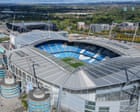
David Kogan, the chair of the Independent Football Regulator (IFR), declared that he would step down if any political pressure influenced the regulator’s handling of Manchester City’s recent financial‑rule breach. Speaking at the launch of the IFR’s “State of the Game” report, Kogan emphasised that both his personal independence and the regulator’s autonomy are absolute. He warned that any attempt by the UK government to intervene would force him to resign, and insisted that the regulator has received no political pressure on the City case or any other matter.
The City ruling has come at a critical time as the IFR prepares to roll out a new licensing regime for clubs later this season. Kogan explained that the regulator’s powers, set out in legislation, allow it to assess the fitness of owners, directors and senior executives. If an owner fails a “fitness” test—covering integrity, honesty and financial soundness—the regulator could compel a sale of the club. He noted that the regulator routinely monitors clubs and that any decision subject to legal challenge would trigger a funding levy on the clubs involved.
The State of the Game report highlights stark financial disparities across English football. It finds that the Premier League’s top club earns 605 times the revenue of the lowest‑earning National League club, and that 94 % of the 116 clubs under IFR oversight are projected to post losses in 2025‑26. Eleven Football League clubs are reported to have costs that exceed income even after stripping out player wages. Kogan said that external factors such as an expanded club calendar, stricter player‑agent regulation and rising interest rates are outside the regulator’s control, but that a redistribution deal between the Premier League and the English Football League (EFL) could immediately alleviate some pressure.
Kogan criticised the long‑running parachute payments to relegated clubs, calling them “distortive” and arguing that a revised deal that reduces those payments while increasing distribution to all clubs would help balance the pyramid. He added that such a redistribution would “soften” the financial impact across the top five men’s divisions.
The Premier League welcomed the report, describing it as a recognition of the league’s global stature and the depth of the English football pyramid. It highlighted a recent offer of £320 million per season in financial redistribution to the EFL, stating that it aligns with the IFR’s objectives and reaffirmed its commitment to a fair, long‑term partnership with the EFL. The EFL echoed this sentiment, affirming its belief that English football generates sufficient revenue to support both the Premier League and the wider pyramid, and pledged constructive cooperation with the league and regulator.
Secretary of State for Culture, Media and Sport Lisa Nandy praised the report’s stark figures, urging football authorities to use the findings to benefit the game, its fans and the communities that support it. The next steps will involve the IFR’s upcoming licensing regime and the potential renegotiation of financial redistribution arrangements between the Premier League and the EFL.