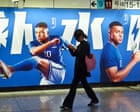
Kylian Mbappé’s latest public misstep has once again highlighted the enduring sensitivity surrounding China’s founding leader, Mao Zedong. The French striker, who had recently been snubbed from the Ballon d’Or winners list, found himself embroiled in a controversy after a video surfaced in which he joked about a meme that paired him with Mao. The clip, which showed a composite image of Mbappé’s face on Mao’s body, quickly went viral and triggered a swift backlash from Chinese audiences and authorities.
Within hours of the video’s release, a wave of condemnation swept across social media. The football app Dongqiudi was among the first to denounce the remarks as “inappropriate” and refused to translate the content, citing its offensive nature. Chinese media outlets reported on the incident but largely avoided detailing the exact words that caused offense, reflecting the broader reluctance to discuss Mao’s legacy openly. The China Football Association lodged a formal protest with Real Madrid, and the Spanish league issued a statement expressing deep regret for the offence caused to Chinese fans. Mbappé himself issued an apology on Tuesday, saying, “My comment was ill‑judged, and I now understand that it hurt many people in China.” La Liga echoed this sentiment, adding that it “deeply regrets the offence that Kylian Mbappé’s recent comments have caused among Chinese fans.”
The fallout extended beyond the football world. Several high‑profile brands, including Mercedes and Versace, announced they would sever ties with the player, and the incident prompted state television to suspend coverage of the entire Spanish top‑flight league. The swift corporate response underscores the high stakes for foreign athletes and sponsors operating in China, where a single misstep can trigger a rapid “cut‑ties” race. Experts estimate that Mbappé’s commercial deals in China could have been worth up to $30 million a year; the potential loss of such revenue is significant.
The controversy also reignited discussions about Mao’s legacy in contemporary China. While the Communist Party continues to portray him as a revolutionary hero, the memory of policies such as the Great Leap Forward and the Cultural Revolution remains contentious. Scholars note a growing ambivalence among younger Chinese, who sometimes view Mao’s era as a period of idealism and egalitarianism, a sentiment the party seeks to monitor closely. The incident has therefore not only impacted Mbappé’s commercial prospects but also served as a reminder of the delicate balance foreign figures must maintain when engaging with Chinese audiences.
Looking ahead, both Mbappé and La Liga appear to be taking steps to mitigate further damage. The Spanish league’s apology and the Chinese state broadcaster’s pledge to listen to the player’s future statements suggest a cautious approach aimed at restoring goodwill. Meanwhile, the Chinese foreign ministry has acknowledged the apology, indicating a willingness to move forward, though the long‑term effects on Mbappé’s brand value in China remain to be seen. The episode serves as a stark reminder of how historical sensitivities can quickly translate into commercial consequences in the global sports arena.