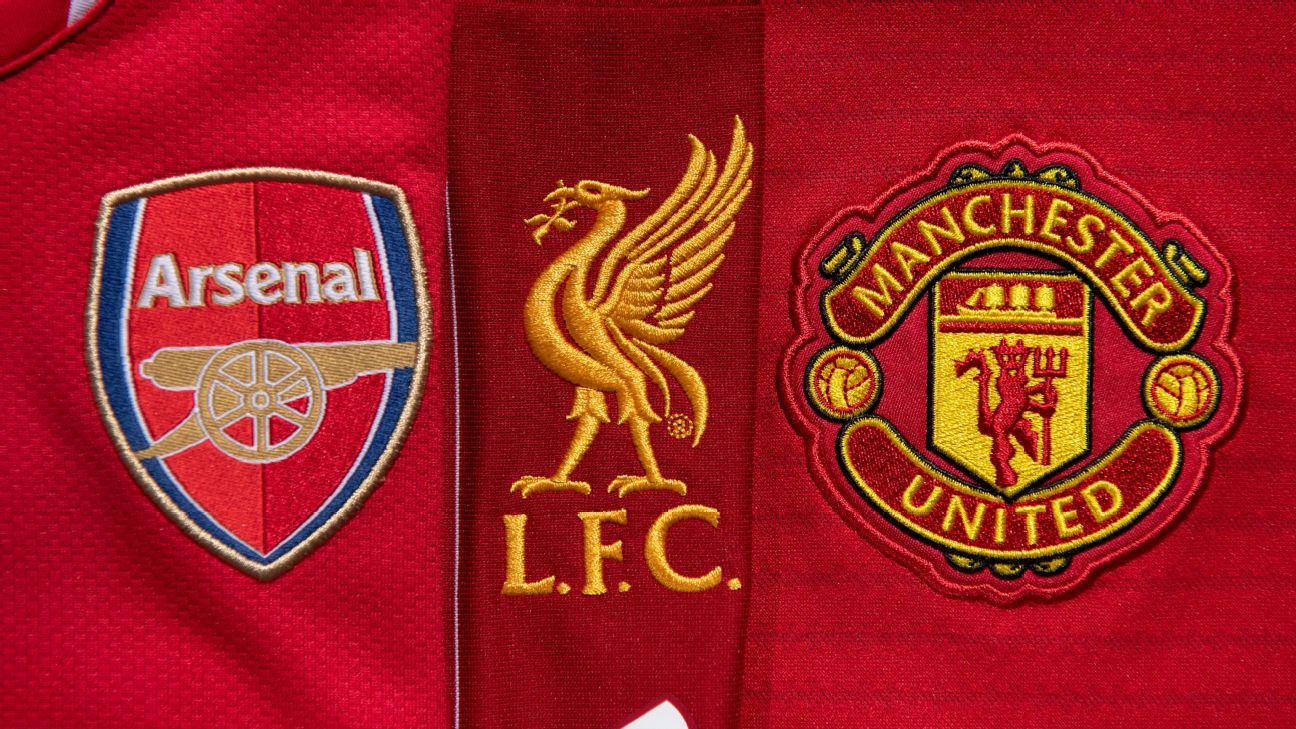
Liverpool and Arsenal’s clash at Anfield this Sunday is more than a title‑chasing showdown; for many Manchester City supporters it has become a symbolic battle against a perceived “Red Cartel” of rival clubs that, they argue, has conspired to keep City from dominating the Premier League. The term refers to the three teams that wear red shirts—Liverpool, Arsenal and Manchester United—along with the club’s own red kit, and it is used by City fans to describe a network of alliances that allegedly influence league rules, revenue sharing and media coverage in a way that favours the traditional powerhouses.
The controversy stems from an independent investigation that concluded in February 2023, when the Premier League found City guilty of breaching financial regulations over a nine‑year period. The club was accused of using “sham contracts” and inflating commercial revenue by more than £830 million, and the league’s chief executive, Richard Masters, said City had “systematically broken Premier League rules for nearly a decade.” City’s CEO, Ferran Soriano, has rejected the verdict, calling it a “Premier League conspiracy theory” and suggesting that the decision was driven by a boardroom alliance of rival clubs.
One of the most cited pieces of evidence for the alleged cartel is a photograph taken in October 2017 at a New York restaurant co‑owned by Robert De Niro. The image shows the owners and executives of Liverpool, Arsenal and Manchester United—John Henry, Ivan Gazidis, Joel and Avram Glazer, and Ed Woodward—dining together a week before a league vote on the distribution of future global broadcast revenue. The timing of the meeting, and the fact that City, Chelsea and Tottenham were absent, has led City supporters to claim that the red‑shirted clubs coordinated to secure a greater share of revenue and to push for stricter financial fair play (FFP) rules that would disadvantage City’s spending model.
The narrative is reinforced by a series of public statements from senior figures at the three clubs over the past decade. In 2009, Arsenal’s Arsène Wenger called for financial restrictions, citing City’s “unfair competition.” Two years later, Liverpool owner John Henry tweeted about City’s lucrative shirt‑sponsorship deal, and in 2012, Manchester United’s David Gill spoke at a shareholder meeting about the need for FFP regulations. More recently, Arsenal’s chief executive thanked Premier League CEO Richard Scudamore for his work on FFP, while also urging stricter adoption of the rules. City has also pointed to the disproportionate number of former United, Liverpool and Arsenal players who now work in the media and frequently criticize the club.
City fans argue that if the Premier League were to strip the club of its eight titles won between 2012 and 2024, the honours would be redistributed to the other red‑shirted clubs—three to United, three to Liverpool and two to Arsenal—thereby widening the gap between City and its rivals. “The owners of the Red Cartel clubs have driven the ‘rules’ agenda to protect their status and position,” said long‑time season‑ticket holder Phil Hardman. He added that a fairer and more competitive solution is needed to reward clubs that are managed well both on and off the pitch.
As the investigation’s findings remain in effect, City’s future will hinge on how the club responds to the Premier League’s sanctions and whether the alleged cartel narrative gains traction among the wider football community. The upcoming match at Anfield will therefore be watched not only for the on‑field drama but also for any further statements from City’s leadership that might clarify or challenge the “Red Cartel” allegations.