European football associations have collectively voiced alarm over the new three‑week international break, arguing that it has created a dangerous overload of fixtures, injuries and financial strain. At a meeting in Berlin on Thursday, representatives from almost every national federation expressed their intention to lobby UEFA to return to the previous schedule of five two‑week windows that had been in place before the 2023‑24 season.
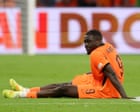
The change, approved by the FIFA Council in 2023, collapsed the traditional September and October windows into a single, longer spell. Under the new format, national teams are required to play four Nations League matches in a period that normally would have been spread across 11 days. The tighter schedule has raised concerns about player welfare, as the higher intensity of competitive fixtures limits the number of substitutions and leaves little room for recovery. Several high‑profile players—including Kylian Mbappé, Alex Scott, Cody Gakpo, Alexander Isak and Brian Brobbey—have already reported injuries that they attribute to the congested calendar.
The Football Association’s chair, Debbie Hewitt, and chief executive, Mark Bullingham, were among those who criticised the change. They highlighted the financial implications of hosting two home matches in quick succession, noting that smaller federations struggle to market and sell tickets for such a compressed schedule. “It’s a disaster,” one FA president told the Guardian, a sentiment echoed by many others who feel the new window disadvantages less‑resourced nations that cannot afford to rotate squads as effectively.
Some federations suggested a more flexible approach, proposing that the length of the break be adapted to the needs of each continent. Others countered that the extended period could benefit national team managers by providing more time to work with players. Nonetheless, the consensus was clear: the current format is unworkable and unfair, especially given that Euro 2028 seeding will be influenced by Nations League performance.
Despite the widespread opposition, the likelihood of a swift reversal appears slim. The international match calendar is locked in until 2030, and relations between FIFA and UEFA have deteriorated since the Forward Enterprise scandal. Any change may depend on a shift in FIFA leadership, as President Gianni Infantino seeks a fourth term in March. For now, the European associations will continue to press UEFA for a return to the older, more balanced schedule.