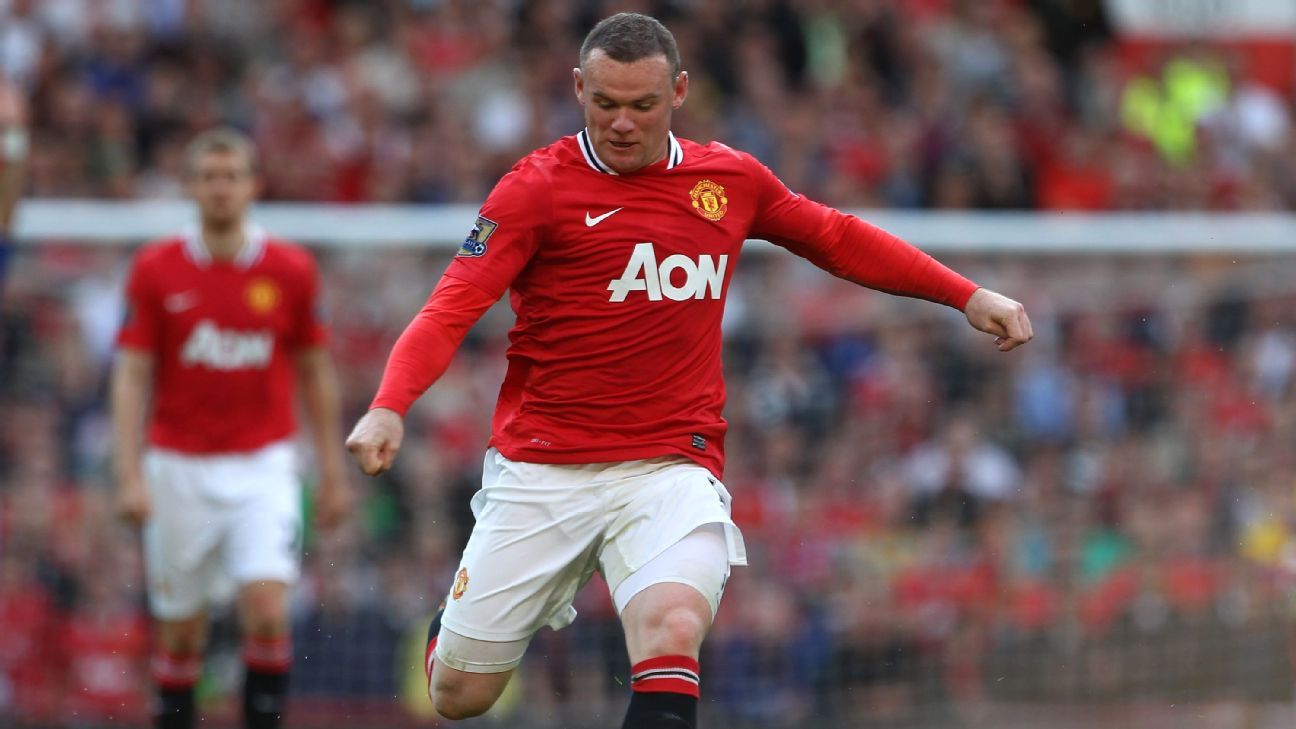
Wayne Rooney has opened up about a dark period during his time at Manchester United, revealing that he once contemplated suicide despite enjoying on‑field success. Speaking on the “Life At The Midpoint with Gabby Logan” podcast, the former England captain described how his mental health deteriorated while he was newly married and a father to his eldest son, Kai. He said he would spend up to two days drinking at home and, at his lowest, considered ending his life, a confession that underscores the hidden struggles many elite athletes face.
Rooney explained that the pressure to appear strong and the fear of showing any weakness led him to isolate himself. He recounted avoiding public places, refusing to see people on the street, and feeling uncomfortable outside the football pitch, where he usually felt at ease. The striker emphasized that these feelings emerged at the height of his United career, when he was the club’s all‑time leading scorer and seemingly at the pinnacle of his professional life. He admitted that, although he recognized his situation, admitting vulnerability felt like a loss of masculinity.
The former Red Devils highlighted the role of therapy in his recovery, noting that he sought professional help to understand his emotional state. He reflected that, despite the outward markers of happiness—marriage, a young son, and career triumphs—he was actually experiencing his lowest point, driven by what he described as selfish actions. Rooney’s candidness about his mental health challenges aligns with a growing trend of high‑profile athletes speaking out about psychological wellbeing.
Rooney also credited his wife, Coleen, for staying by his side during the crisis. He said she could have left but chose to support him, which he believes was pivotal in turning his situation around. Their partnership, he suggested, helped him navigate the darkest moments and eventually seek the help he needed.
As Rooney currently appears on ITV’s “I’m a Celebrity…Get Me Out of Here!” his revelations add a personal dimension to his public persona. The former player’s disclosure serves as a reminder of the importance of mental‑health resources, with the Samaritans’ free helpline (116 123) and website highlighted for anyone in need. Looking ahead, Rooney’s openness may encourage further dialogue within the football community about mental health support and the necessity of breaking down stigmas surrounding emotional vulnerability.