NormanFoster, the famous British architect, presented today, on the occasion of the reopening of the Castello Sforzesco, the project for a new stadium which should host both Inter and Milan. The work was carried out in collaboration with the Italian architect DavidManica, known for his innovative solutions in the sports field. During the conference, Foster recalled his first visit to Milan, when he was still a student, and underlined how the city has continuously inspired him, from design to fashion to architecture.
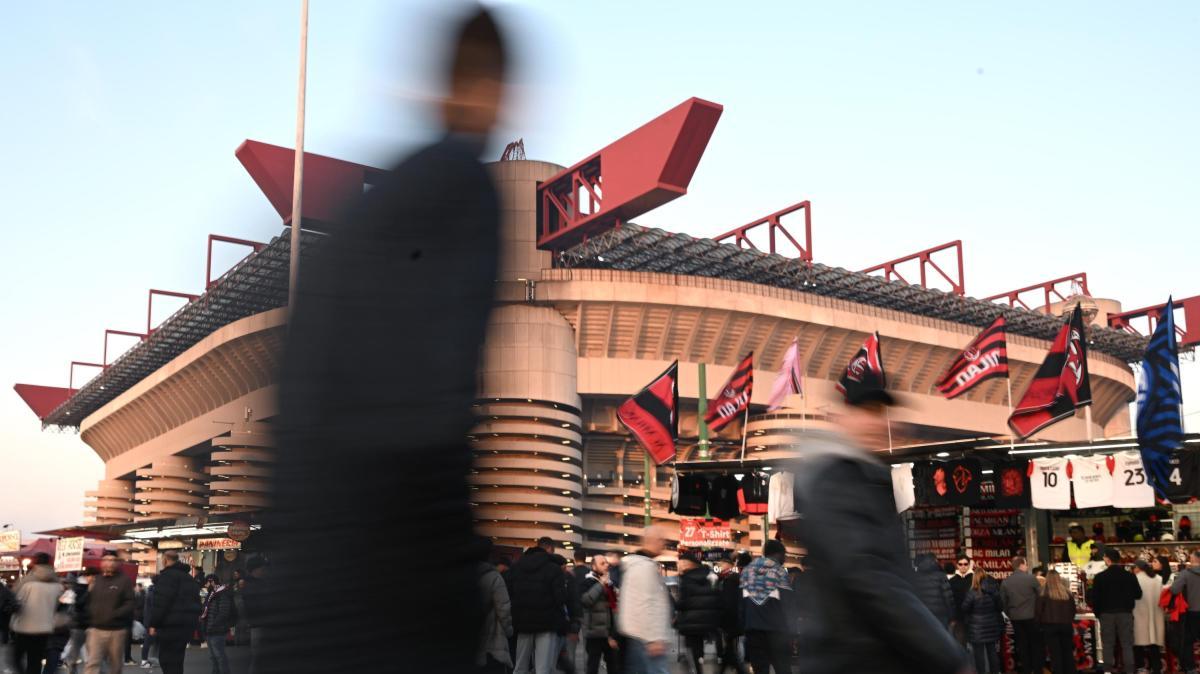
The new stadium, conceived to become a true symbol of the city, must overcome the limitations of the current structure, the SanSiro, and offer a more inclusive and technologically advanced experience. Foster explained that, taking inspiration from the first Manica-built stadium at Wembley, they designed a roof that not only protects from the elements but also stores energy. The triangular-shaped structure, designed to accommodate multiple functions simultaneously, was designed to integrate harmoniously with the urban landscape and surrounding mountains. A podium around the stadium will allow air circulation and the protection of spectators.
A distinctive element is the new facility's ability to project the colors and identity of both teams during matches. Foster explained that, thanks to advanced lighting and projection systems, fans will be able to see the colors of the dominant club on the stadium every time a match takes place. Furthermore, the slope of the curves - 37 degrees - will ensure smooth circulation of the fans, while the acoustics have been designed to improve the sound experience, maintaining the historic atmosphere of the SanSiro but with a touch of modernity.
The project is not limited to the sporting function; Foster highlighted the importance of inserting the stadium into the urban fabric, making it an integral part of the city landscape and also recognizable on an international level. The new stadium, according to him, will represent an "infrastructural destiny" for Milan, contributing to a future in which football and urban culture merge. Finally, he looked towards the future, stating that, although the Meazza has undergone changes over the years, the new stadium should become one of the symbols of the city even in a century's time.