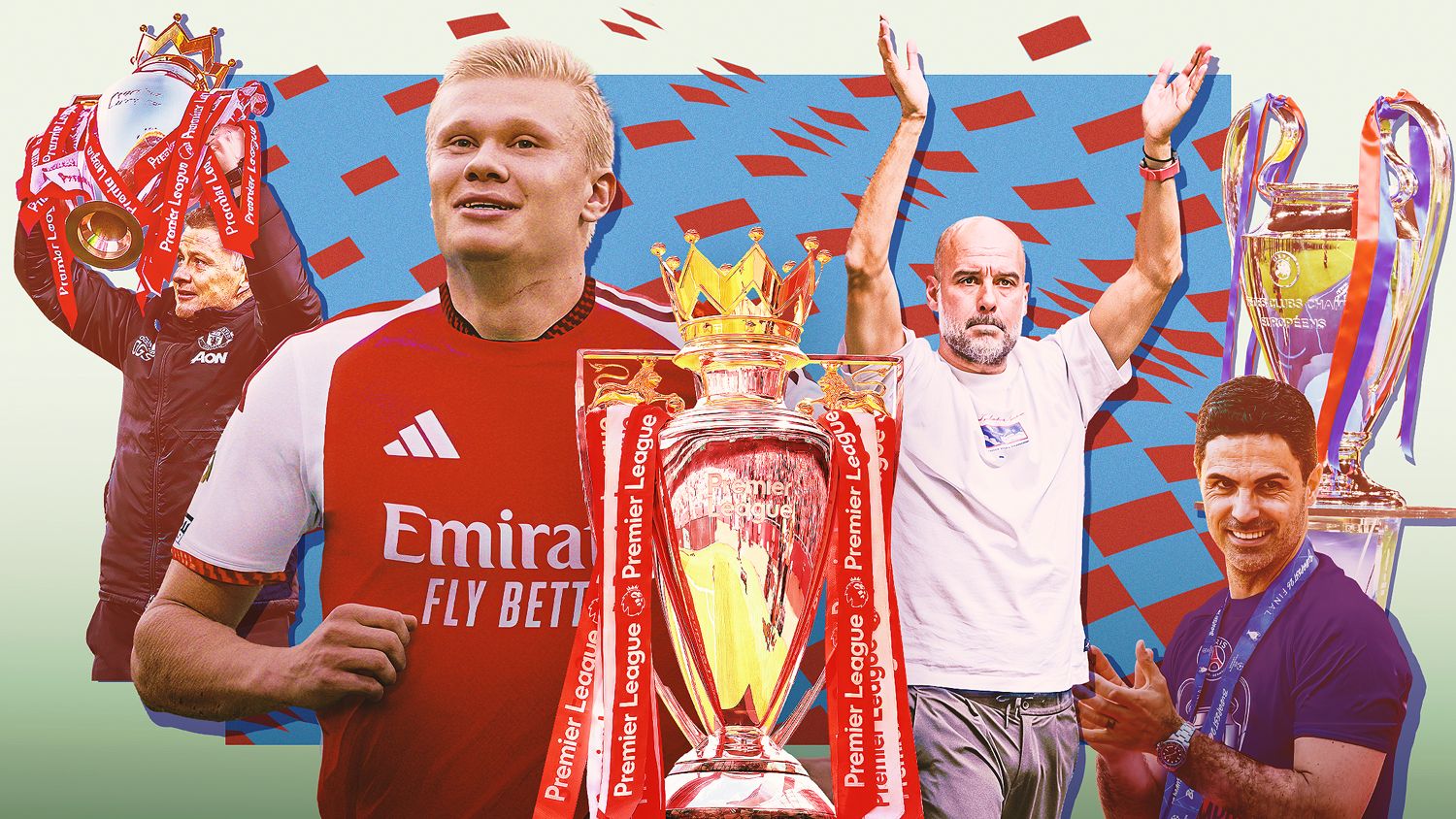
In September 2026 a commission found that Manchester City had violated Premier League spending rules on 114 separate occasions and had inflated sponsorship figures by more than £830 million between 2009 and 2018. The club, still owned by Sheikh Mansour of the Abu Dhabi United Group, has denied the allegations and appealed, but the ruling opens the door to severe sanctions, including expulsion, a points deduction or even relegation. The case has prompted speculation about how the English game might have unfolded had City not pursued the aggressive spending model that turned them into a global powerhouse.
Since the 2008 takeover, City have spent over £3 billion on transfers, signing 123 players and winning 26 trophies, including eight Premier League titles, four FA Cups, seven Carabao Cups, four Community Shields, a Champions League, a Club World Cup and a Super Cup. The commission’s findings suggest that the club’s financial excesses may have tilted the balance of power in the league. In an alternate scenario where City stayed within the rules and did not acquire high‑profile stars such as Sergio Agüero, David Silva or Erling Haaland, the club’s trophy haul would have been far smaller, and the Premier League’s title winners would have looked very different.
Under the real timeline, City’s first league triumph came in 2011‑12, a season that saw the famous “Agüerooooo!” goal clinch the title on goal difference. In a world where Agüero never joined the club, Manchester United would have retained that championship, extending Sir Alex Ferguson’s tally to 14 titles before his 2013 retirement. Liverpool would have captured the 2013‑14 title under Brendan Rodgers, and the dramatic 2017‑18 record‑setting 100‑point season would have gone to United instead of City. The ripple effects would have continued: Liverpool would have secured the 2018‑19 and 2019‑20 titles under Jürgen Klopp, while Ole Gunnar Solskjær’s United would have added a league crown in 2020‑21, reshaping the perception of his managerial legacy.
Arsenal’s fortunes would also have diverged sharply. Without losing key players to City—such as Emmanuel Adebayor, Samir Nasri, and Gaël Clichy—Arsenal would have avoided the barren spell that saw them win no trophies between 2005 and 2014. The club would have remained competitive, potentially winning domestic cups and challenging more consistently for the league title in the 2020s. Chelsea, meanwhile, would have benefited from a steadier squad, as the revolving door of managers that has plagued the club would have been less disruptive, allowing them to build a more coherent identity and contest the league more fiercely.
The commission’s findings also highlight how City’s aggressive recruitment strategy has weakened rival clubs by poaching their star players. In the alternate timeline, key signings such as Carlos Tevez would have stayed at Manchester United, bolstering the club’s attack in the wake of Cristiano Ronaldo’s departure and helping Ferguson secure two additional titles before stepping down. Arsenal would have retained their core squad, while clubs like Everton and Aston Villa would have avoided losing players such as Jack Rodwell and James Milner.
As the appeal process unfolds, the football community watches closely. If the sanctions are imposed, the Premier League could see a significant reshuffling of its competitive landscape, with clubs that have traditionally been on the periphery potentially stepping into the spotlight. The case underscores the importance of financial fair play and the long‑term implications of unchecked spending on the sport’s balance of power.