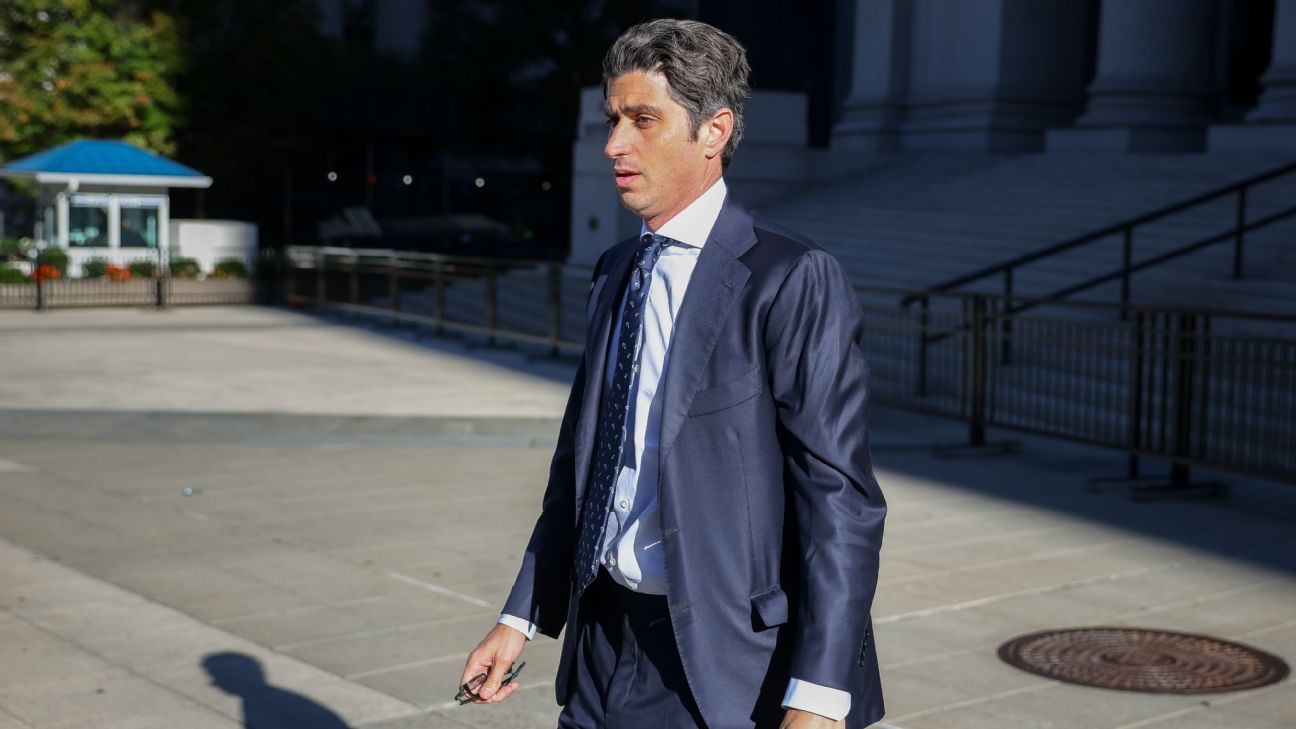
Josh Wander, 45, co‑founder of the Miami‑based investment firm 777 Partners, pleaded guilty on Thursday in Manhattan federal court to charges of wire fraud and securities fraud. The plea was made in the context of a scheme that allegedly caused investors and lenders to lose $500 million, a sum Wander agreed to repay as restitution.
During the hearing, Wander admitted that between 2021 and 2022 he borrowed money from private lenders and institutional investors using inflated figures that misrepresented the value of 777 Partners’ assets. “At the time that I did these things I knew what I was doing was wrong, and I am deeply sorry for my conduct,” he told Judge J. Paul Oetken. The judge set a sentencing date for March 1, when Wander could face up to 40 years in prison, but he will remain free on bail pending that hearing.
777 Partners had become a prominent name in European football after a rapid expansion in 2021. The firm acquired stakes in several clubs that were still recovering from the financial hit of the COVID‑19 pandemic, including Hertha Berlin in Germany, Genoa in Italy, Standard Liege in Belgium and Vasco da Gama in Brazil. The company also held a minority share in an Australian airline. In 2024, 777 Partners and Wander attempted to purchase Everton, the nine‑time English champions, but the deal collapsed after a London‑based investor filed a lawsuit in New York, raising doubts about the firm’s financial integrity.
Prosecutors said Wander used 777 Partners as a vehicle to defraud private lenders and investors by pledging assets that the firm did not actually own, falsifying bank statements, and making other material misrepresentations about the company’s financial condition. The case has drawn attention to the broader trend of multi‑club ownership in football, a practice that UEFA warns could threaten the integrity of the sport and the player‑transfer market, which generates more than $10 billion annually.
The outcome of the sentencing hearing will determine whether Wander receives a prison term, but the restitution agreement already obligates him to repay the full $500 million to the affected parties. The case serves as a cautionary tale for investors and clubs involved in cross‑border ownership deals, highlighting the risks of opaque financial practices in the global football economy.