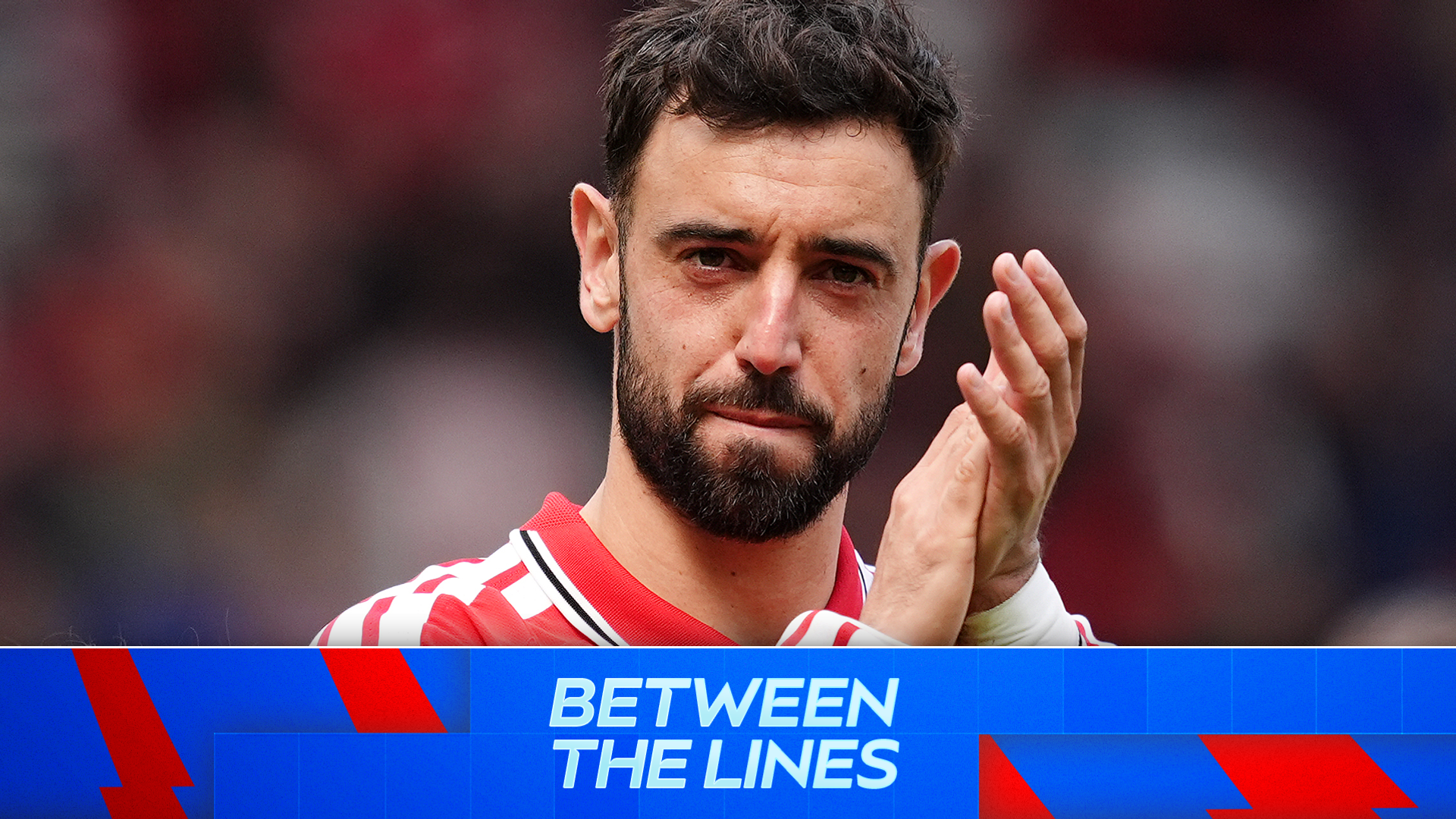
Manchester United’s latest managerial crisis has once again put the spotlight on the club’s persistent struggles to translate big spending into on‑field success. After a 3‑0 defeat to Bournemouth, Michael Carrick was granted a “stay of execution” by the board, sparking speculation that a fourth managerial change in four years might be inevitable. Carrick, the club’s eighth permanent boss since Sir Alex Ferguson’s retirement, has faced intense scrutiny as United’s poor start to the season has continued to undermine confidence in the team’s direction.
The debate, highlighted by a recent “Between the Lines” feature, questions whether United’s recent performances are a sign of a club that has slipped to mid‑table status rather than a temporary dip in form. Statistical analysis from Sky Sports’ expected points model shows that United have consistently outperformed their projected points total, with a cumulative 669 points over the last decade – the fifth‑highest in the Premier League. However, the model places United at 613 expected points, meaning they have gained 56 points more than anticipated. While this overperformance has been attributed to clinical finishing, good goalkeeping, and a bit of luck, it also masks a deeper issue: the club’s squad quality does not match its spending.
Carrick’s tenure has been the most successful in terms of expected points, averaging 1.85 points per game against an expected 1.37. Yet this season he has fallen three points short of expectations, a stark contrast to last year’s third‑place finish on 71 points, which was 10 points above the expected 61. Other United managers – Erik ten Hag, Ralf Rangnick, Jose Mourinho and Ole Gunnar Solskjaer – have also outperformed expectations, with the exception of Ruben Amorim. Despite these overachievements, United’s average expected finishing position between 2021/22 and 2025/26 has hovered around ninth, and the club’s 2023/24 eighth‑place finish should have translated to a 14th‑place expectation according to the model.
The root of the problem, according to pundits and analysts, lies in recruitment. United have spent 40 per cent more than any other Premier League club since 2016, yet their net spend has never matched their expected points rank. The club’s transfer budget has outpaced its on‑field output, producing a squad that is worth significantly less than its purchase price. Transfermarkt data shows that only Tottenham Hotspur has a higher negative difference between squad cost and value, placing United among the few clubs that have failed to create value from their signings.
The responsibility for these shortcomings is not solely on the managers. Sky Sports pundit Gary Neville noted that “the reason people are in the dressing room is because someone recommended them,” pointing to the role of the sporting director and recruitment chief. Christopher Vivell and Jason Wilcox currently hold these positions, but Wilcox’s tenure has been marked by a string of expensive signings that have yet to justify their cost, including Manuel Ugarte, Matthijs De Ligt, Leny Yoro, Joshua Zirkzee and Benjamin Sesko. Earlier acquisitions such as Rasmus Hojlund, Antony, Jadon Sancho, Raphael Varane and Romelu Lukaku also fall short of expectations, further eroding the squad’s overall value.
Until Manchester United can overhaul its recruitment strategy and build a squad that matches its financial outlay, the club’s managers will continue to bear the brunt of the fallout. The next step for the club will be to address the systemic issues in player acquisition and development, ensuring that future signings contribute meaningfully to the team’s competitive standing.