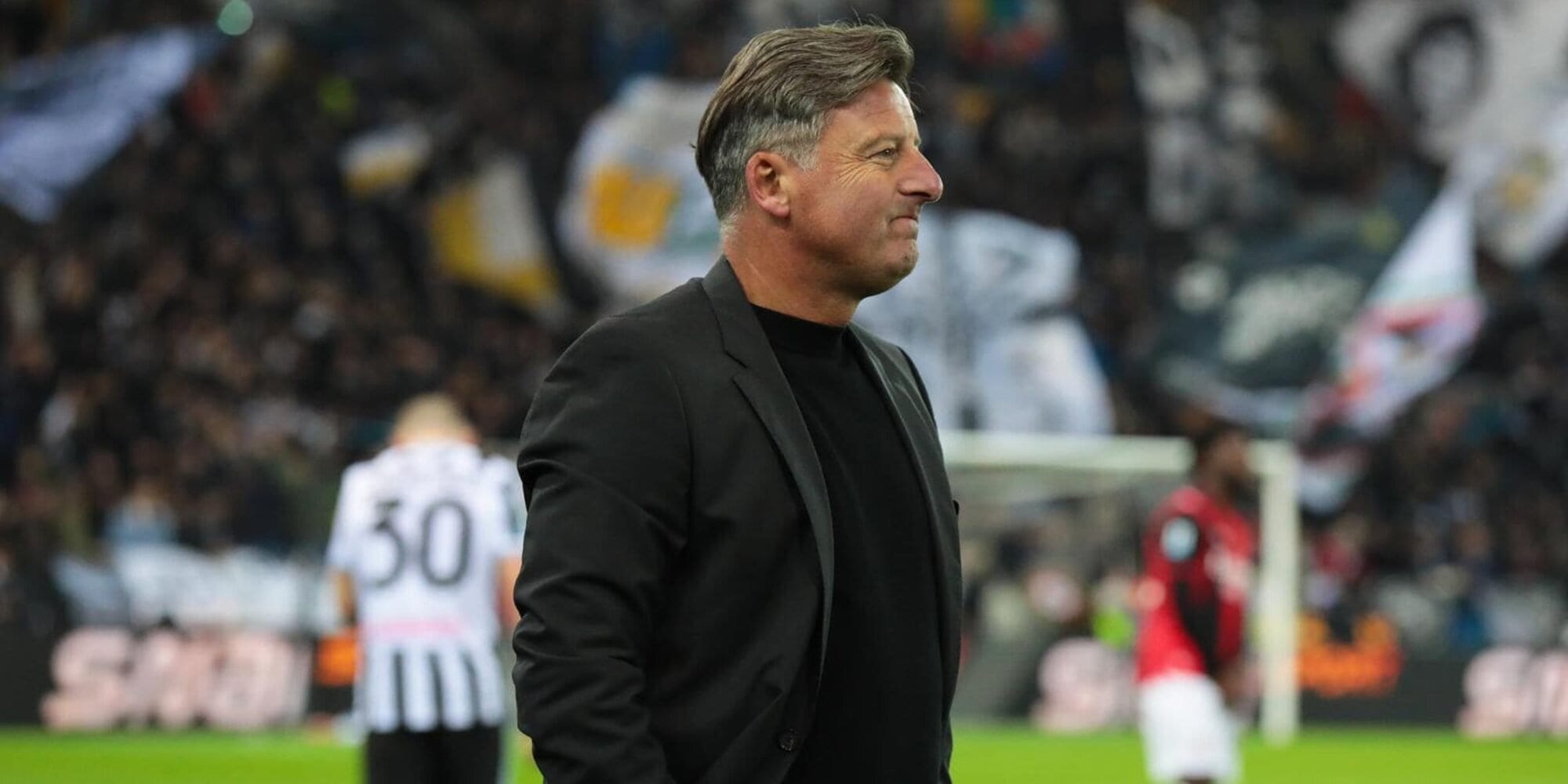
Udinese coach Kosta Runjaic, in charge for over two years, continues to speak in English in post-match interviews, a fact that has raised questions among Italian football fans and journalists. Although the season began with a squad almost entirely made up of foreign players, the coach's lack of use of the local language was seen by some as a sign of lack of integration.
The topic of language is far from new for coaches working abroad. In 2009, Carlo Ancelotti, then in England, asked journalists to address him in English, and the same approach was repeated in Paris, Madrid, Munich and finally in Portugal, where he already introduced himself in Portuguese. These events demonstrate that, for managers, speaking the language of the country in which they are located is a consolidated and often indispensable practice for communicating with managers, the press and the public.
Runjaic, born in Croatia and naturalized Italian, was hired by Udinese in July 2024. With 27 months of experience at the club, his choice to continue speaking in English was interpreted by some industry figures as an obstacle to full cultural and professional integration. In Serie A, at the moment, five of the twenty coaches are foreigners, and most of them started speaking Italian from day one. Some, like Fabregas, have adopted the local language since arrival, while others, like Amorim, are still adapting.
The issue does not only concern respect towards employers or the press, but also the ability to fit into the daily environment: communicate with managers, journalists, technical staff, bartenders and even the club's customers. For many foreign players in Serie A, learning Italian remains an option rather than an obligation, and the culture of Italian football still seems to allow for some linguistic flexibility.
For Udinese, the situation is particularly delicate: the team has suffered six consecutive defeats and the team is made up of almost 30 foreign players, with a few Italians in the squad. In this context, Runjaic's choice not to speak Italian could affect the perception of the public and the media. The coach, however, maintained his position, stating that he understood the importance of the local language but preferred English for reasons of comfort and clarity.
The future remains uncertain. If the coach were to decide to adopt Italian, it could help strengthen the bond with the fans and managers. Otherwise, his stay at a club with a strong foreign component could continue to raise questions about the role of language in Italian football. In any case, Runjaic's story highlights a broader theme: the need to balance multiculturalism with linguistic integration in Italian clubs.