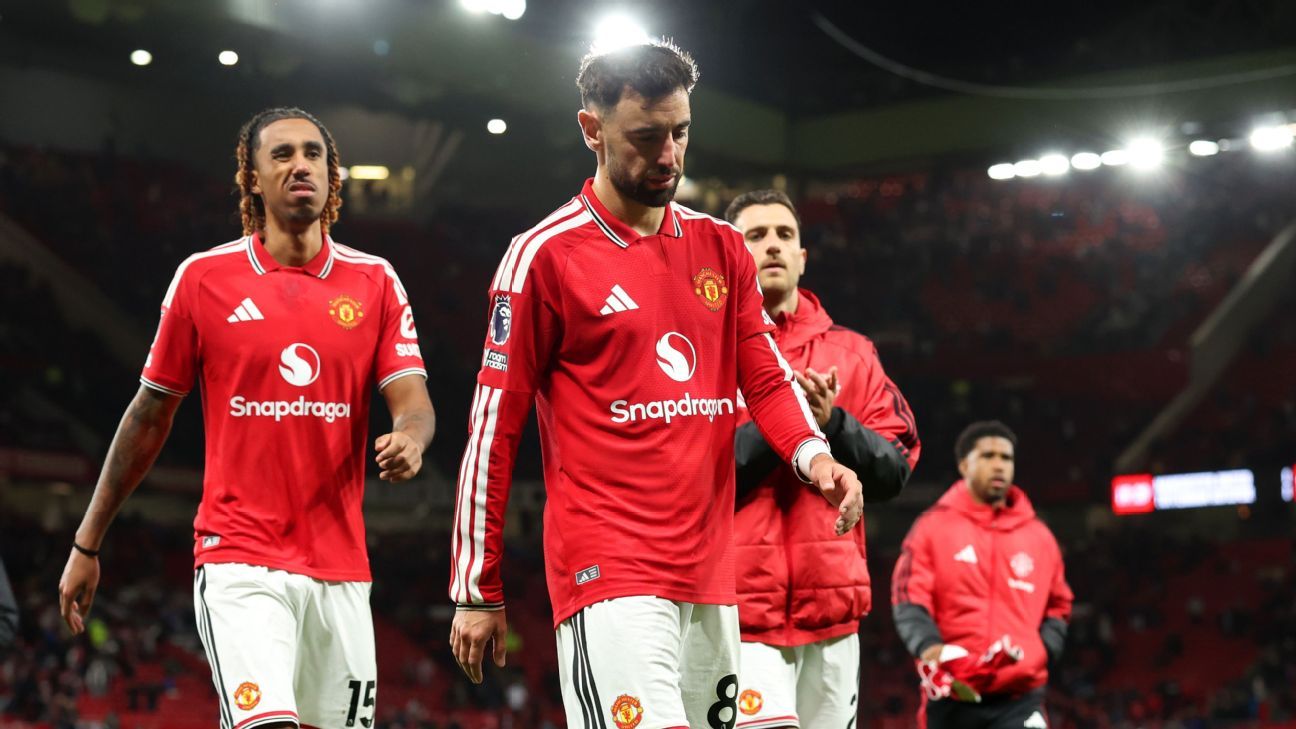
Manchester United’s latest campaign has opened with a dismal start, earning only six points from their first six matches and drawing 1‑1 at Tottenham with ten men. The result has put the club on a trajectory that mirrors its most recent seasons of oscillation between hope and disappointment. After finishing third last season, United’s poor run has forced the club into its worst league opening since 1986, raising questions about whether the club can break free from the cycle of managerial changes and unrealistic expectations.
The pattern that has defined United’s recent history is familiar: a dip in form leads to the dismissal of a manager, a new appointment brings a brief period of improvement, and the club returns to the Champions League before the next managerial overhaul. This cycle has been repeated over the past decade, with the club finishing as low as 15th and as high as third in the Premier League. The problem, according to analysts, is that the club’s financial power no longer guarantees on‑field success. While United still boast one of the highest wage bills and a squad ranked fifth in value by Transfermarkt, their revenue rankings have slipped from the top four in the Deloitte Money League to eighth in the most recent accounting year.
Despite the financial headwinds, United’s current squad remains one of the most valuable in the league, with a fourth‑highest wage bill and a fourth‑highest revenue stream. Yet the team’s performance has been inconsistent, with a goal‑scoring record tied for ninth best in the league and a goal difference that still lags behind the top teams. The club’s 13th‑place position after six games is not necessarily indicative of its eventual standing, as historical data shows that early‑season rankings are poor predictors of final outcomes. For example, last season Liverpool and Tottenham, who were in the top four after six games, finished far lower after managerial changes.
To avoid falling back into the familiar pattern, United’s leadership must recalibrate expectations and adopt a more realistic assessment of performance beyond the league table. This includes setting attainable short‑term goals, such as a top‑five finish, and focusing on long‑term stability rather than quick fixes. The club’s management will need to balance the pressure from fans and former players with a pragmatic view of the team’s capabilities, recognizing that the club’s financial advantage is now shared with other Premier League giants.
If United can establish a clear, realistic roadmap and maintain consistency under a single managerial philosophy, the club may finally break the cycle that has plagued it for years. The next few months will be crucial as the team seeks to turn its early struggles into a platform for a more competitive season, potentially restoring confidence among supporters and stakeholders alike.