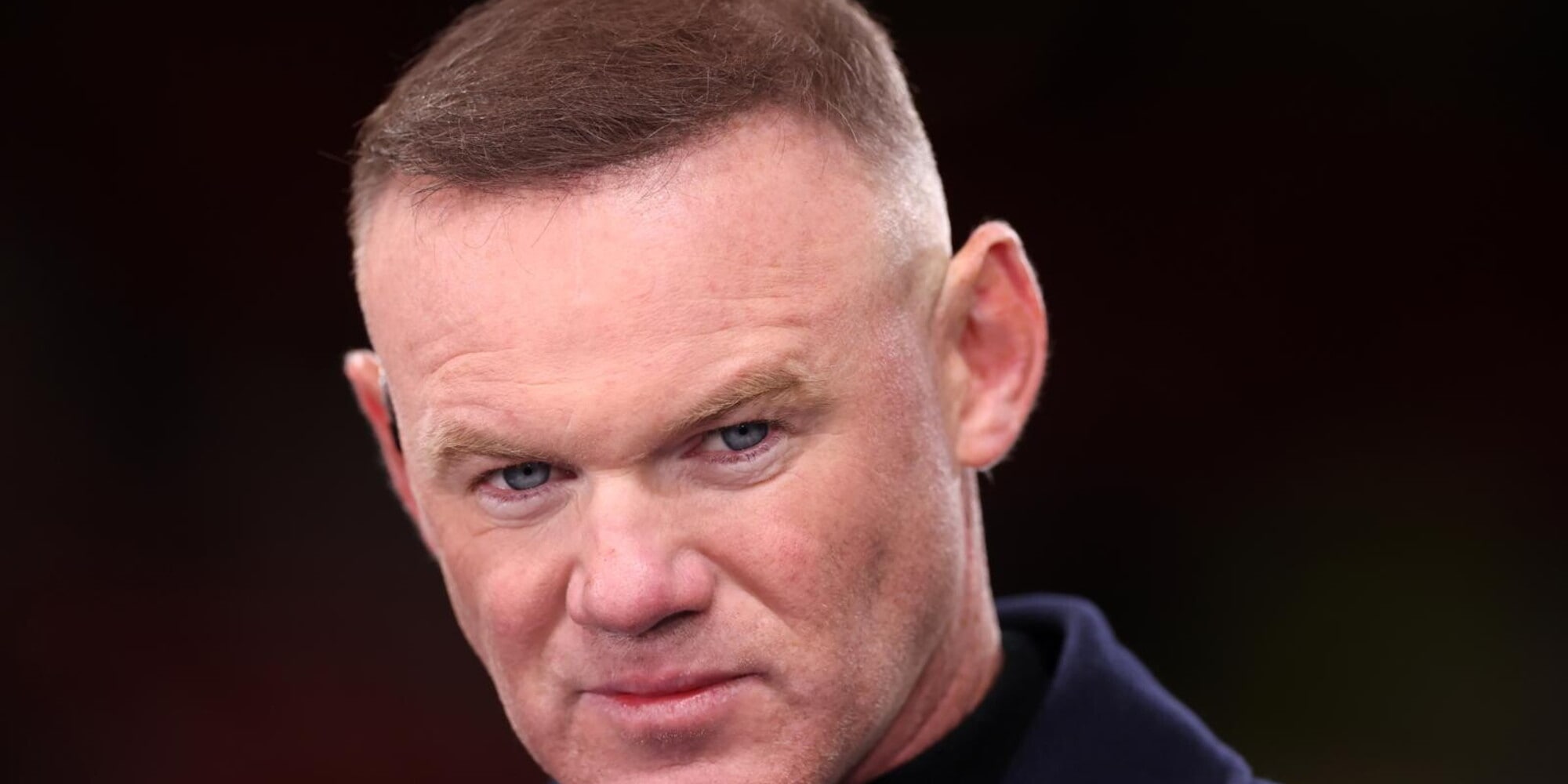
Wayne Rooney revealed in an unfiltered interview on the “Life at the Midpoint” podcast that he contemplated suicide during the brightest years of his career at Manchester United. The former England striker, still the club's record goalscorer with 253 goals in 559 appearances, spoke of a period in which pressure and personal problems pushed him to isolate himself and consider the end of his life.
In the story, Rooney describes how alcoholism became an escape: “When I drank, I would lock myself in the house for two days and just drink.” The former star admits that although these moments were "probably the best period of my playing career", his life off the pitch was far from peaceful. The fear of being seen in that state by his son, Kai, then still a child, led him to hide further, avoiding social contacts, people on the street and even shops.
The footballer stressed that the football pitch was the only place where he felt comfortable, while the rest of his existence was characterized by constant struggle. "I didn't want to be around anyone. I didn't want to see people on the street. I didn't want to go into shops," he said, adding that loneliness and a sense of helplessness had led him to think about suicide. This confession comes at a time when Rooney is busy as manager of Birmingham City, but the memory of those difficult years remains vivid.
Rooney's revelations open a window into the vulnerability of even the greatest athletes, highlighting how sporting success is not always synonymous with personal well-being. His story, while not providing details on any therapeutic interventions, suggests that awareness and support are key to addressing addiction and mental health issues.
Looking to the future, Rooney expressed his desire to continue to speak openly about these issues, hoping to contribute to greater understanding and better support for those, like him, who have experienced moments of extreme difficulty. His message could influence both the world of football and the wider discussion on the psychological well-being of athletes, pushing clubs and federations to strengthen support networks for players in transition or crisis.