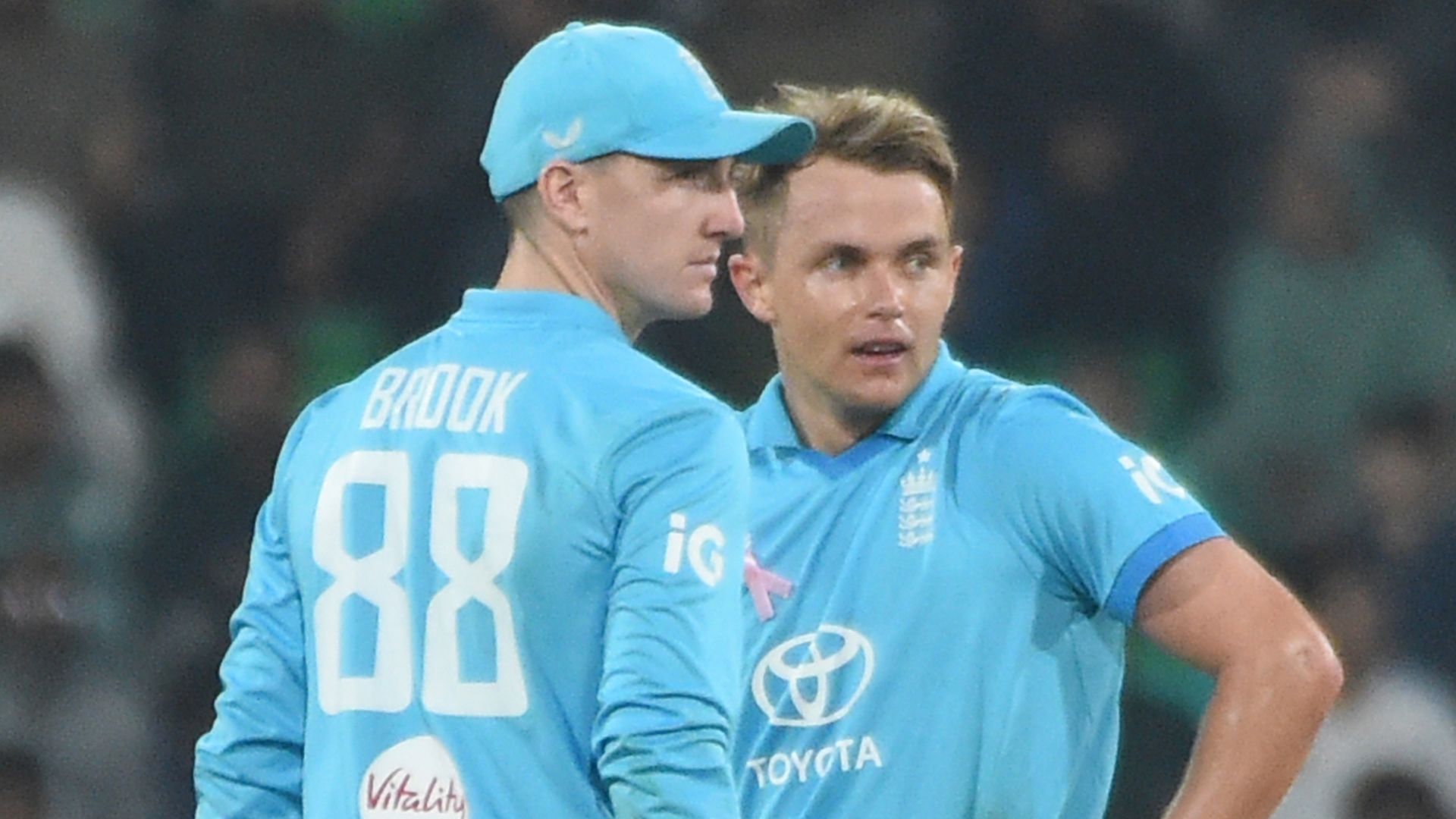
England’s recent ODI campaign has been a roller‑coaster, with the national side losing three of its four matches in a tri‑series against Pakistan and Sri Lanka. The defeats came in quick succession: a 429‑run target was defended by Sri Lanka on Thursday, and Pakistan chased 242 on Sunday after being reduced to 154‑9. The results have raised questions about England’s form and the selection choices made by coach Brendon McCullum and captain Harry Brook.
England’s first loss of the series was a 303‑run chase against Pakistan, where the hosts pulled off a stunning comeback. The team’s batting collapsed, and the bowlers struggled to take wickets in the middle overs. In the second match, Sri Lanka chased 429 with relative ease, exposing cracks in England’s batting depth and bowling consistency. The final match saw Pakistan, after being nine wickets down, rally to win by a single wicket, further highlighting England’s inability to defend modest totals.
Several key players were absent during the series, which may have contributed to the poor performances. Jos Buttler was ruled out with an injury, while Jacob Bethell was still recovering from a recent setback. Jofra Archer was rested, and Adil Rashid was omitted for the last two games—a decision that has drawn scrutiny given his long service and experience. The absence of these senior figures left a void in both the bowling attack and the batting lineup, especially in the middle order where England struggled to build partnerships.
Sam Curran’s role has been under review. The all‑rounder, who has been a bright spot in England’s white‑ball squad, failed to make an impact in Pakistan. His bowling figures of 0‑32 from eight overs were expensive, and his variations—moon balls, bouncers, and yorkers—were too predictable. Although he scored 42 with the bat against Pakistan, his overall contribution was limited. Critics argue that Curran needs a defined role to thrive, and that England should consider bringing in another seamer for the upcoming 2027 World Cup in Africa.
Adil Rashid’s omission has also been a point of contention. The 38‑year‑old leg‑spinner, who has been a mainstay for England for over a decade, was left out of the squad for the Rawalpindi and Lahore matches. While he is scheduled to tour Australia next month, his recent form has dipped, with nine wickets in seven games at an average of 36.22. Some analysts suggest that his hand injury and subsequent recovery may have influenced the decision, but the lack of a clear plan for his return remains a concern.
Looking ahead, England’s next fixture is a match against Sri Lanka in Lahore on October 31. The team will need to address the gaps exposed in the tri‑series, particularly in the middle overs and the lower batting order. Coach McCullum will likely reassess the squad composition and strategy to avoid repeating the pattern of early dominance followed by collapse. The outcome of the upcoming game will be a crucial test of whether England can stabilize its performance and regain confidence before the next international window.