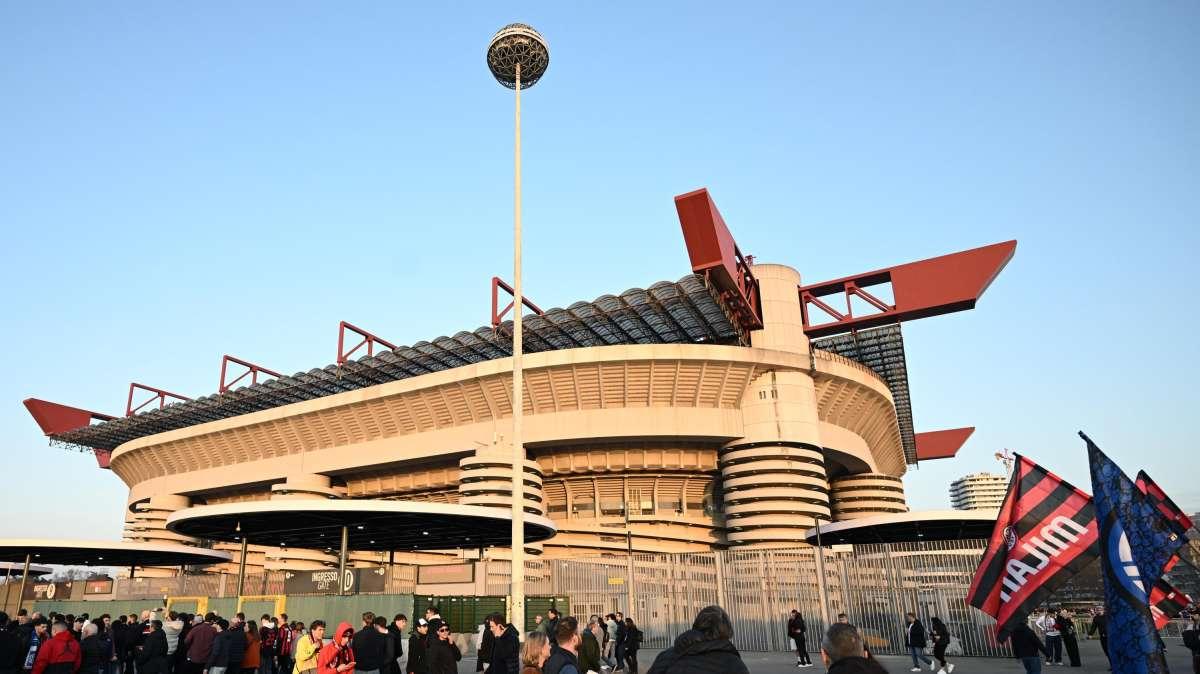
The project for the new stadium in Milan, intended to host both Inter and AC Milan, was presented today by architect David Manica, in collaboration with Lord Norman Foster. During the conference, Manica expressed gratitude towards RedBird and Oaktree, underlining how the partnership with these investors was fundamental to creating the structure. According to the architect, the work was entrusted to over one hundred professionals and the main objective is to maintain the soul of the San Siro, transforming the feeling that the club has always represented into an even more intense experience.
The new facility aims to be "more vertical" than traditional stadiums, with particular attention to the proximity of the seats to the pitch. Manica explained that the steps will be positioned as close as possible to the pitch, so that spectators can feel almost "sitting on the grass". Each viewer will also have an unobstructed view, ensuring an optimal viewing experience. Architecture, despite being a means, was conceived to amplify the atmosphere and noise, elements that the project intends to preserve and enhance thanks to a roof designed specifically for this purpose.
Another distinctive feature is the flexibility of the system. Manica highlighted that, in addition to football, the stadium will be able to host American football events and concerts, thus offering a "wide variety of opportunities" for the city and the country. Despite this versatility, football remains the fulcrum of the project, with the aim of creating an "exceptional" place where the passion of the fans can express itself to the fullest. The architect also mentioned the presence of large hospitality spaces, designed to make the visiting experience even more comfortable.
Regarding technical performance, Manica said the new stadium will be "world-class" in terms of seating and acoustics. Comparing the project with other international stadiums, he underlined that, although in the United States there is a tendency to build smaller stadiums, the new stadium in Milan will be among the largest in the future. The architect also reiterated the importance of sustainability and durability, designing a flexible structure that can be replaced or adapted when needs change.
Finally, Manica shared his long-term vision, imagining the new stadium in a century as a building that continues to serve the community, thanks to its flexibility and ability to adapt to change. With this presentation, the project gets ever closer to realization, promising to transform Milan into a new point of reference for football and sporting events in Italy.